
Master Logistics with Stuffing and Destuffing Expertise
- Jean-Francois Bourque
- Oct 27, 2025
- 4 min read

Efficient logistics is the backbone of successful supply chains. Among the many critical processes, cargo handling plays a pivotal role in ensuring goods move smoothly from origin to destination. Mastering cargo handling solutions, especially the art of stuffing and destuffing, can significantly enhance operational efficiency, reduce costs, and improve customer satisfaction.
In this comprehensive guide, we will explore the essentials of cargo handling, delve into the specifics of stuffing and destuffing, and provide actionable tips to optimize these processes. Whether you are a logistics professional, warehouse manager, or supply chain enthusiast, this article will equip you with valuable insights to elevate your cargo handling expertise.
Understanding Cargo Handling Solutions
Cargo handling solutions encompass the methods and equipment used to load, unload, store, and transport goods safely and efficiently. These solutions are vital in ports, warehouses, and distribution centers, where the movement of goods must be seamless to avoid delays and damage.
Key Components of Cargo Handling
Loading and Unloading: The physical transfer of goods onto or off transport vehicles such as ships, trucks, or trains.
Storage: Temporary holding of cargo in warehouses or container yards.
Packaging and Securing: Ensuring goods are packed and secured to prevent damage during transit.
Documentation and Tracking: Managing paperwork and using technology to track cargo status.
Effective cargo handling solutions combine technology, skilled labor, and best practices to streamline these components. For example, using forklifts and cranes with trained operators reduces the risk of accidents and speeds up loading times.
Benefits of Optimized Cargo Handling
Reduced turnaround time for shipments.
Lower risk of cargo damage and loss.
Improved inventory management and accuracy.
Enhanced customer satisfaction through timely deliveries.

How Cargo Handling Solutions Improve Supply Chain Efficiency
Implementing advanced cargo handling solutions can transform your supply chain operations. Here are some practical ways these solutions make a difference:
Automation and Technology Integration
Modern cargo handling increasingly relies on automation. Automated guided vehicles (AGVs), conveyor systems, and robotic arms can handle repetitive tasks with precision and speed. Integrating warehouse management systems (WMS) and transport management systems (TMS) allows real-time tracking and better coordination.
Skilled Workforce Training
Even with automation, human expertise remains crucial. Training staff in proper loading techniques, safety protocols, and equipment operation ensures smooth handling. For instance, knowing how to balance container loads prevents accidents and optimizes space.
Customized Handling for Different Cargo Types
Different goods require tailored handling approaches. Fragile items need cushioning and careful placement, while bulk goods might require specialized containers. Understanding these nuances helps prevent damage and meets regulatory requirements.
Streamlined Stuffing and Destuffing Processes
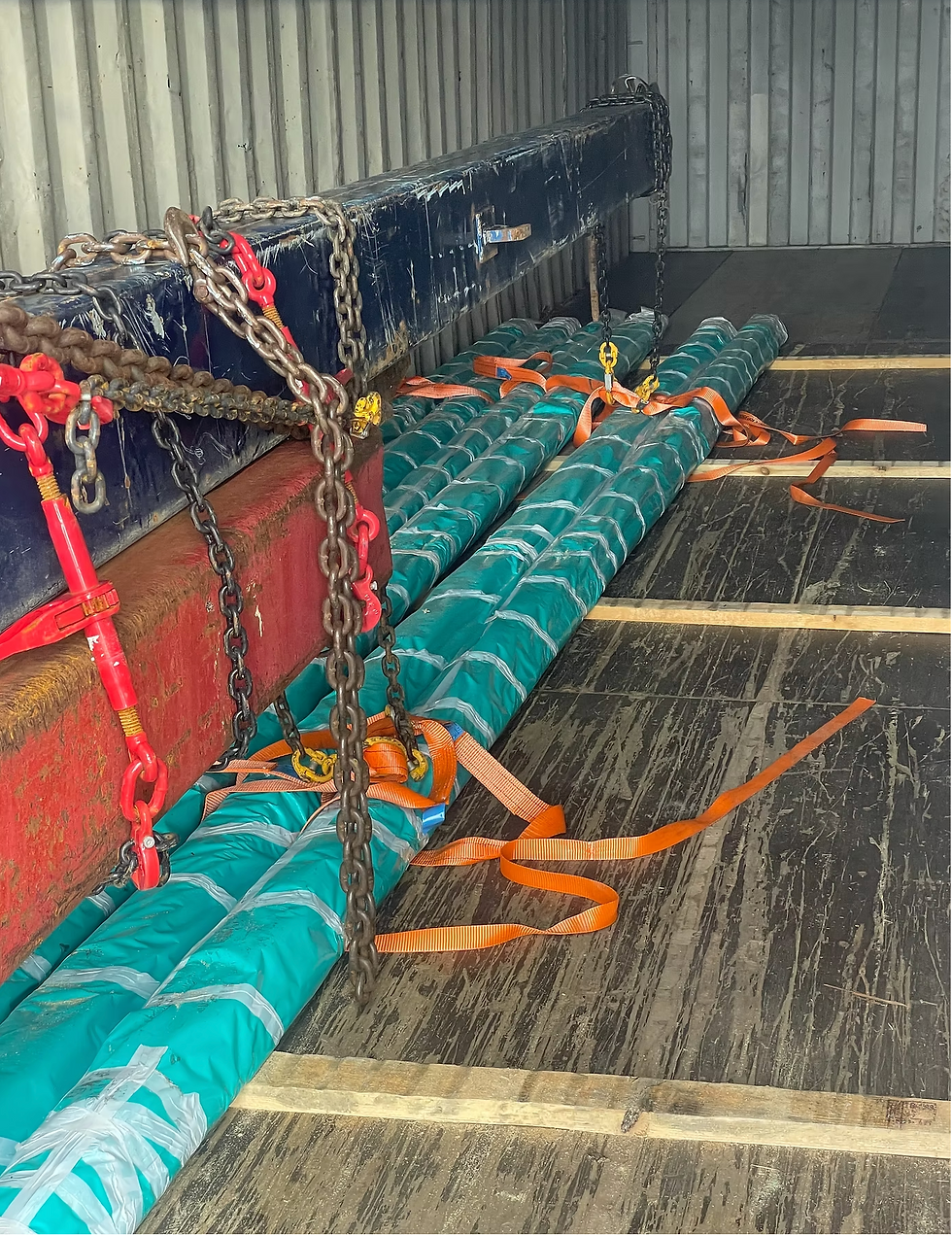
One of the most critical aspects of cargo handling is the process of stuffing and destuffing containers. This involves loading goods into containers (stuffing) and unloading them at the destination (destuffing). Efficient management of these steps reduces delays and costs.
For more detailed services on stuffing and destuffing, specialized providers offer expertise that can be leveraged to optimize your logistics.

What is another word for Destuffing?
Destuffing is a term commonly used in logistics to describe the unloading or unpacking of goods from containers. Several alternative terms are used interchangeably depending on the region or industry context:
Unloading: The most straightforward synonym, referring to removing cargo from a vehicle or container.
Unpacking: Often used when goods are removed from packaging or containers.
Discharging: Common in maritime logistics, indicating the removal of cargo from a ship.
Deconsolidation: Used when breaking down consolidated shipments into individual orders.
Offloading: Similar to unloading, emphasizing the removal process.
Understanding these terms helps in communicating effectively across different logistics sectors and regions. For example, in port operations, "discharging" might be preferred, while warehouse teams might use "unpacking" or "offloading."
Best Practices for Efficient Stuffing and Destuffing
Optimizing stuffing and destuffing processes can lead to significant improvements in logistics performance. Here are some actionable recommendations:
Plan and Organize Before Loading
Inventory Check: Verify the quantity and condition of goods before stuffing.
Load Planning: Arrange cargo to maximize container space and maintain balance.
Labeling: Clearly mark items for easy identification during destuffing.
Use Proper Equipment and Techniques
Employ forklifts, pallet jacks, and conveyor belts to handle heavy or bulky items safely.
Use protective materials like padding and straps to secure cargo.
Train staff on correct loading patterns to avoid shifting during transit.
Monitor and Document the Process
Record the stuffing process with photos or videos for accountability.
Maintain detailed logs of cargo condition and placement.
Use barcode or RFID scanning to track items.
Coordinate with Stakeholders
Communicate schedules and requirements with transporters, warehouse teams, and customs officials.
Ensure compliance with regulations and documentation standards.
Plan for contingencies such as delays or damage.
Optimize Destuffing for Speed and Accuracy
Prepare the unloading area with adequate space and equipment.
Prioritize unloading based on delivery schedules.
Inspect goods immediately for damage or discrepancies.
By following these best practices, businesses can reduce errors, improve turnaround times, and enhance overall supply chain reliability.
Leveraging Professional Services for Cargo Handling
Outsourcing cargo handling tasks to specialized service providers can offer several advantages:
Expertise: Professionals have experience and knowledge to handle complex cargo types.
Equipment: Access to advanced machinery and technology.
Compliance: Ensuring adherence to local and international regulations.
Cost Efficiency: Reducing labor and operational costs through optimized processes.
For example, partnering with a company that offers stuffing and destuffing services can streamline your port operations, minimize delays, and improve cargo safety.
Enhancing Your Logistics Strategy with Cargo Handling Solutions
Incorporating effective cargo handling solutions into your logistics strategy requires a holistic approach:
Assess Current Operations: Identify bottlenecks and inefficiencies in your cargo handling.
Invest in Training and Technology: Equip your team with skills and tools.
Standardize Procedures: Develop clear protocols for stuffing, destuffing, and related tasks.
Monitor Performance: Use KPIs such as loading time, damage rates, and turnaround time.
Continuously Improve: Adapt to changing market demands and technological advancements.
By mastering these elements, you can build a resilient and agile supply chain capable of meeting customer expectations and competitive pressures.

Moving Forward with Confidence in Cargo Handling
Mastering cargo handling solutions, including the critical processes of stuffing and destuffing, is essential for any logistics operation aiming for excellence. By understanding the components, adopting best practices, and leveraging professional services, you can optimize your supply chain, reduce costs, and enhance service quality.
Stay proactive in evaluating your cargo handling strategies and embrace innovations that drive efficiency. With the right approach, you will navigate the complexities of logistics with confidence and achieve superior results.


Comments