
Mastering Stuffing and Destuffing for Cargo Efficiency
- Jean-Francois Bourque
- Sep 22, 2025
- 3 min read

Efficient cargo handling is essential for smooth logistics and supply chain operations. Among the many processes involved, stuffing and destuffing play a critical role in ensuring cargo is loaded and unloaded properly, minimizing damage, and optimizing space. Mastering these techniques can lead to significant improvements in time management, cost savings, and overall cargo safety.
Understanding the nuances of cargo handling techniques is vital for businesses involved in shipping, warehousing, and distribution. This article explores the best practices, practical tips, and detailed explanations to help you master stuffing and destuffing for enhanced cargo efficiency.
Understanding Cargo Handling Techniques
Cargo handling techniques encompass the methods and procedures used to load, unload, and manage goods during transportation. These techniques are designed to protect cargo integrity, maximize container space, and streamline operations.
Some key cargo handling techniques include:
Proper packaging: Using suitable materials to protect goods.
Load distribution: Balancing weight evenly to prevent shifting.
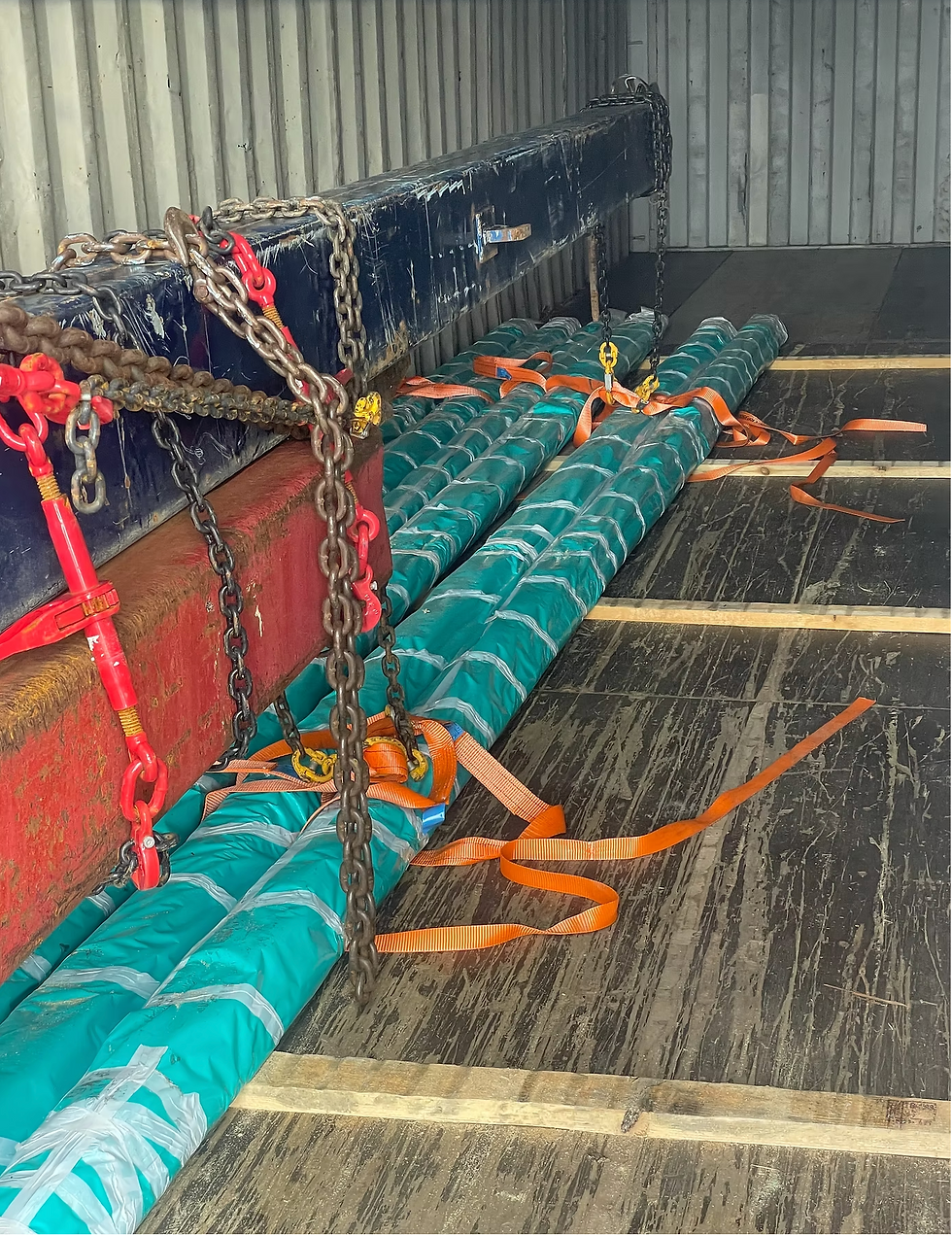
Securing cargo: Using straps, braces, or nets to keep items stable.
Efficient loading and unloading: Minimizing time and labor costs.
For example, when loading heavy machinery, it’s crucial to place the heaviest items at the bottom and secure them tightly to avoid movement during transit. Similarly, fragile goods require cushioning and careful placement to prevent damage.

Best Practices for Stuffing Cargo
Stuffing refers to the process of loading cargo into containers or vehicles. Proper stuffing ensures that space is used efficiently and cargo remains safe throughout the journey.
Plan Your Load
Before stuffing, create a detailed loading plan. Consider the size, weight, and fragility of each item. Group similar items together and place heavier goods at the bottom.
Use Appropriate Equipment
Utilize forklifts, pallet jacks, and conveyor belts to handle cargo safely and efficiently. Avoid manual lifting of heavy items to reduce injury risk.
Maximize Space
Stack items tightly but avoid overloading. Use dunnage (padding materials) to fill gaps and prevent shifting. For example, airbags or foam inserts can stabilize cargo.
Label and Document
Clearly label each package and maintain accurate documentation. This helps during unloading and inventory checks.
Safety First
Ensure all workers wear protective gear and follow safety protocols. Keep aisles clear and maintain good lighting.

What is the meaning of destuffing?
Destuffing is the process of unloading cargo from containers or vehicles after transportation. It requires careful handling to avoid damage and ensure efficient inventory management.
Key Steps in Destuffing
Inspection: Check the container for damage or signs of tampering.
Unloading: Use appropriate equipment to remove cargo safely.
Sorting: Organize goods based on destination or type.
Documentation: Verify cargo against shipping documents.
Storage: Move goods to designated storage areas promptly.
For example, when destuffing perishable goods, it’s important to unload quickly and transfer items to refrigerated storage to maintain quality.
Challenges in Destuffing
Limited space at unloading docks.
Time constraints due to tight schedules.
Handling fragile or hazardous materials.
Proper training and planning can mitigate these challenges and improve efficiency.

How to Improve Efficiency in Stuffing and Destuffing
Efficiency in stuffing and destuffing can significantly reduce operational costs and improve turnaround times. Here are actionable recommendations:
Standardize Procedures
Develop clear SOPs (Standard Operating Procedures) for both stuffing and destuffing. Train staff regularly to ensure consistency.
Use Technology
Implement inventory management systems and barcode scanning to track cargo in real-time.
Optimize Layout
Design loading and unloading areas to minimize movement and congestion.
Schedule Smartly
Coordinate arrival and departure times to avoid bottlenecks.
Partner with Experts
Collaborate with professional logistics providers who specialize in stuffing and destuffing to leverage their expertise.
Regular Maintenance
Keep equipment in good condition to prevent delays caused by breakdowns.
By applying these strategies, businesses can enhance cargo handling efficiency and reduce the risk of damage or loss.
The Impact of Efficient Cargo Handling on Business Success
Mastering cargo handling techniques, especially stuffing and destuffing, directly influences business outcomes. Efficient cargo operations lead to:
Reduced Costs: Less damage and faster turnaround lower expenses.
Improved Customer Satisfaction: Timely deliveries and intact goods build trust.
Better Resource Utilization: Optimized space and labor use increase productivity.
Compliance with Regulations: Proper handling ensures adherence to safety and legal standards.
For instance, a company that consistently delivers goods on time and in perfect condition is more likely to retain clients and attract new business.
Investing in training, technology, and partnerships focused on cargo handling can yield long-term benefits and competitive advantages.
Mastering cargo handling techniques is a continuous process that requires attention to detail, planning, and the right tools. By focusing on effective stuffing and destuffing practices, businesses can achieve greater efficiency, reduce costs, and enhance overall supply chain performance.


Comments